Essential Advice for Economical Automobile Service: Save Hours and Cash
Identifying economical vehicle maintenance can be a challenging task for many car owners. With various options available, it is fundamental to engage with the process strategically. By exploring local repair shops and understanding vehicle maintenance needs, consumers can avoid unnecessary expenses. There are also solutions to resolve minor issues on their own. However, the journey doesn't end there; exploring other economical options can lead to even greater savings. What strategies might be worth considering next?
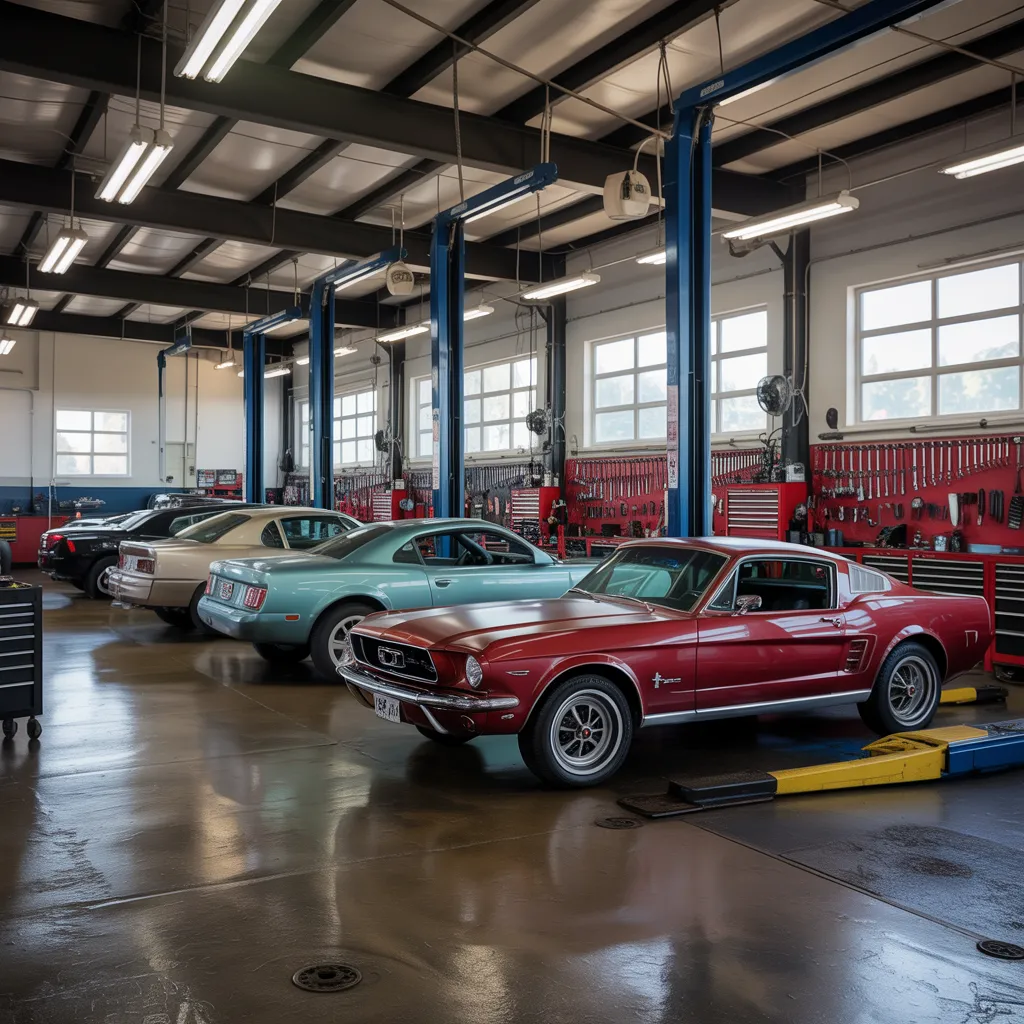
Find and Assess Local Mechanics
When seeking affordable auto repair, it is imperative to research and compare local mechanics to guarantee the best value for service. A thorough review involves verifying online reviews, ratings, and testimonials to appraise the quality of service provided. Consumers should also inquire about the certifications and experience of the mechanics, as this can notably impact the reliability of repairs.
Also, securing proposals from numerous facilities gives knowledge into the standard costs for exact services. This review aids to detect any unusually high or notably reduced prices. Moreover, consulting with mechanics in directly allows a better examination of their skill and customer service, which are critical factors in fostering trust.
Ultimately, comprehensive investigation and contrast empower vehicle owners to decide intelligently, ensuring they appoint a mechanic who offers both quality repairs and fair pricing, in turn conserving funds in the long run.
Get to know your vehicle's upkeep needs
How can vehicle owners ensure their vehicles remain in top-notch condition? Comprehending a car's maintenance needs is crucial. Each vehicle comes with a maker's service schedule, detailing when specific services should be performed. This schedule generally contains oil changes, tire rotations, brake inspections, and fluid replacements. Following these recommendations helps avoid expensive repairs down the line.
Additionally, owners should recognize red flags suggesting potential issues, such as unusual noises or dashboard alerts. Regularly checking fluid levels, tire pressure, and the condition of belts and hoses can also extend a car's lifespan.
Apply DIY repairs to minor issues
Recognizing a vehicle's maintenance needs creates the groundwork for quality car care, although many minor issues can be addressed through DIY fixes. For example, jobs including replacing wiper blades, swapping out air filters, or topping off fluids can be readily handled by car owners. DIY repairs not only reduce costs on labor expenses but also enable people to develop a better comprehension of their vehicles.
Digital resources, including tutorial videos and forums, deliver helpful guidance for those inexperienced with car maintenance. Essential tools, such as wrenches, screwdrivers, and pliers, are often sufficient for these simple repairs. Additionally, performing consistent upkeep of minor issues can prevent them from progressing into more substantial problems, ultimately extending the vehicle's lifespan. By adopting a DIY approach, car owners can effectively handle their maintenance needs while reducing expenses and improving their overall automotive knowledge.
Find Discounts and Marketing Campaigns
What tactics can car owners utilize to reduce spending on repair costs? One efficient method is to diligently search for discounts and promotions provided by auto repair shops. Many companies offer periodic promotions, rewards programs, or referral incentives that can greatly reduce repair bills. Car owners should also subscribe to email updates or track social media accounts of local repair shops, as these often feature special offers.
In addition, employing online coupon sites can pinpoint limited-time offers that can be utilized to repairs. Car owners may find that some manufacturers or parts suppliers present rebates on specific services, which can further aid in lowering costs. By taking the time to examine and remain awareness about available promotions, car owners can conserve money while ensuring their vehicles stay in fine condition. Overall, being assertive in seeking discounts can provide to substantial savings on necessary auto repairs.
Maintain a Thorough Care Documentation
Keeping a meticulous documentation of car servicing is important for car owners intending to minimize maintenance bills. By documenting every maintenance and work, owners can document the vehicle's history, detecting occurrences that may indicate underlying issues. This record provides a valuable reference for mechanics, giving them the ability to make informed decisions about necessary repairs and maintenance schedules.
Regular records including oil changes, tire rotation services, and brake inspections help guarantee that the car remains in optimal condition. Additionally, maintaining a log can assist in warranty claim processing, as it shows compliance to the manufacturer's recommended service intervals.
Furthermore, a detailed record can supply an advantage when discussing repair prices, as it highlights proactive upkeep activities. Ultimately, keeping a systematic maintenance record not only improves vehicle longevity but also allows owners to make smarter economic choices regarding their vehicle repair needs.
Common Queries Posed Often
What Steps Should I Take to Locate a Reliable Mechanic?
To valuable resource find a reliable technician, one should seek recommendations, examine feedback, verify qualifications, and notice workshop tidiness. Having frank discussions about pricing and maintenance also fosters transparency and builds trust in the technician's offerings.
What Are Typical Symptoms My Car Demands Service?
Common indicators a car needs repairs include unusual noises, warning lights on the dashboard, poor performance, fluid leaks, and changes in handling or braking. Addressing these issues promptly can prevent further damage and higher repair costs.
Should I Use Original Parts or Aftermarket Parts?
Using original parts confirms dependable operation and consistency, while alternative components may deliver cost savings. The choice depends on personal preference, spending capacity, and the particular work, balancing long-term value against direct outlays for best decision-making.
How Can I Handle Disagreements Involving a Repair Shop?
To manage disagreements with a repair shop, one should document all communications, gather evidence, and openly express concerns. If necessary, escalating the issue to management or requesting negotiation can help conclude tensions effectively.
What Defines the Average Cost of Common Upkeep?
The average expense of common vehicle maintenance fluctuates significantly. For example, brake pad replacement typically ranges from $150 to $300, while engine diagnostics may cost between $100 and $200, based on the vehicle and location.